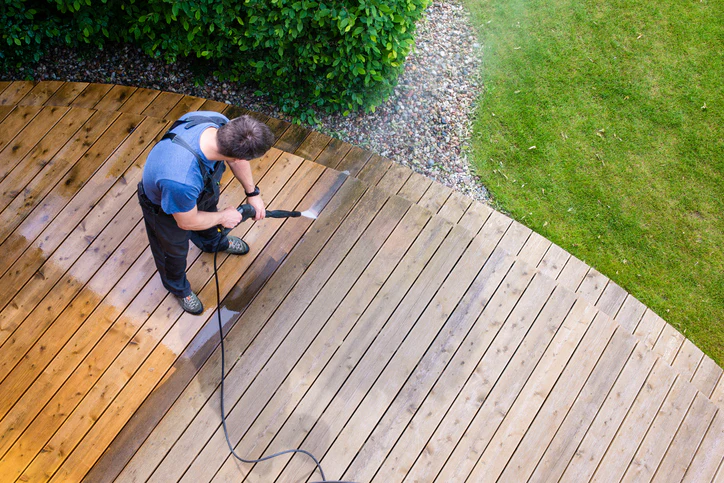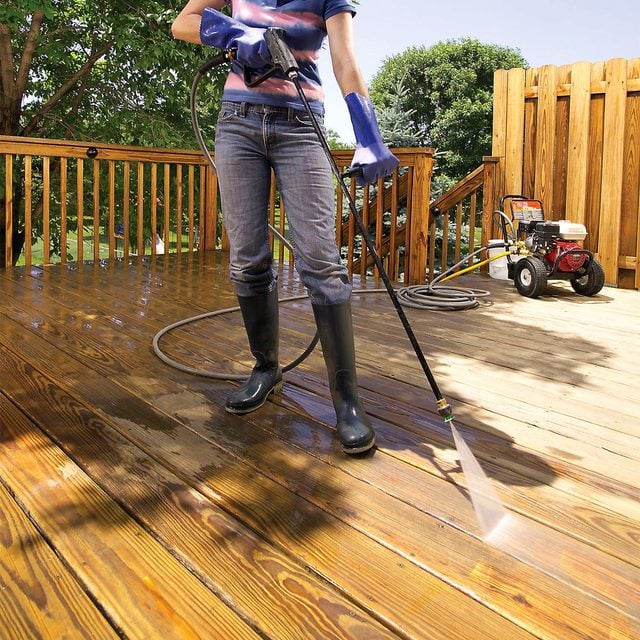
Deck cleaning on the Treasure Coast is largely about controlling mold and moisture. Florida's humidity, shade, salt air, and screen enclosures make wood and composite decks grow green and gray faster than in drier climates, and the safe method is soft washing rather than high pressure. Here is what local homeowners should know to keep a deck healthy and safe.
Why Florida decks grow mold so fast
Decks sit low, often in shade, and stay damp, which is exactly what mold and algae need. The local factors that make it worse are:
- Humidity and daily summer rain that keep boards moist.
- Salt air near the coast that holds moisture on the surface.
- Screen enclosures that trap humidity around the deck.
- Overhanging oaks and palms dropping leaves, pollen, and tannins.
Wood is especially vulnerable because it is porous and holds water, but even composite grows surface mold in its grain, so no deck is maintenance-free here.
Wood versus composite
Wood decks need annual cleaning and periodic resealing, since the finish protects the boards from moisture and UV. Once the seal fails, wood grays and can rot. Composite decks resist rot and never need sealing, but they still grow mold and can turn slippery, so they need cleaning every 1 to 2 years. Both should be soft washed. Learn more on our deck cleaning page.
Why soft washing is the right method
High pressure damages decks: it splinters and furs wood and can mar composite, voiding some warranties. Soft washing uses low pressure and a cleaning solution that kills mold and algae at the root, so the deck comes clean without harm and stays clean longer. This is the same low-pressure principle used for roofs and siding, applied with a deck-safe chemistry.
Salt air and coastal homes
Decks in Vero Beach, Sebastian, and on the barrier island face a salt film that keeps surfaces damp and feeds mold faster. Coastal decks need cleaning sooner, and since the same conditions affect the whole exterior, many homeowners pair deck cleaning with house soft washing and pool deck work so everything is refreshed together.
Cleaning and sealing go together for wood
For wood, cleaning removes mold and gray oxidation, and sealing then protects the fresh surface. The correct order is always clean first, then seal, because sealing over mildew traps it under the finish. In Florida's sun the sealer wears every 1 to 3 years, so annual cleaning plus resealing on that cycle keeps wood healthy and prevents the gray, weathered look that sets in when a deck is neglected.
Safety and everyday use
A deck is where families gather, and a slippery, mold-covered surface is not just unattractive, it is a hazard around steps and near a pool. Keeping the deck clean protects footing and keeps the space usable year-round, which matters in a climate where outdoor living is possible nearly every month. Regular cleaning also keeps splinters and rough patches at bay on wood decks used barefoot.
How often and what it costs
Wood decks do best cleaned yearly; composite every 1 to 2 years, sooner if shaded or coastal. Pricing depends on deck size, material, condition, railings, and whether resealing is included, so an accurate quote follows a look at the deck. Cleaning regularly is far cheaper than replacing rotted boards or dealing with a slip-and-fall.
Wood or composite: which is easier to maintain here?
Many Treasure Coast homeowners weighing a new deck ask which material is less work in our climate. Composite carries a higher upfront cost but never needs sealing and will not rot, so ongoing maintenance is mostly periodic cleaning to remove surface mold. Wood costs less to build and offers a natural look many people love, but it demands more attention: annual cleaning plus resealing every one to three years to hold off gray, rot, and splintering. Neither is maintenance-free in Florida, since both grow mold in our humidity. The right choice comes down to budget, the look you want, and how much upkeep you are willing to schedule over the years.
Want your deck assessed honestly? Call MainSail Pressure Washing at (772) 559-2666 for a free estimate. We are fully insured and serve the Treasure Coast 7 days a week.