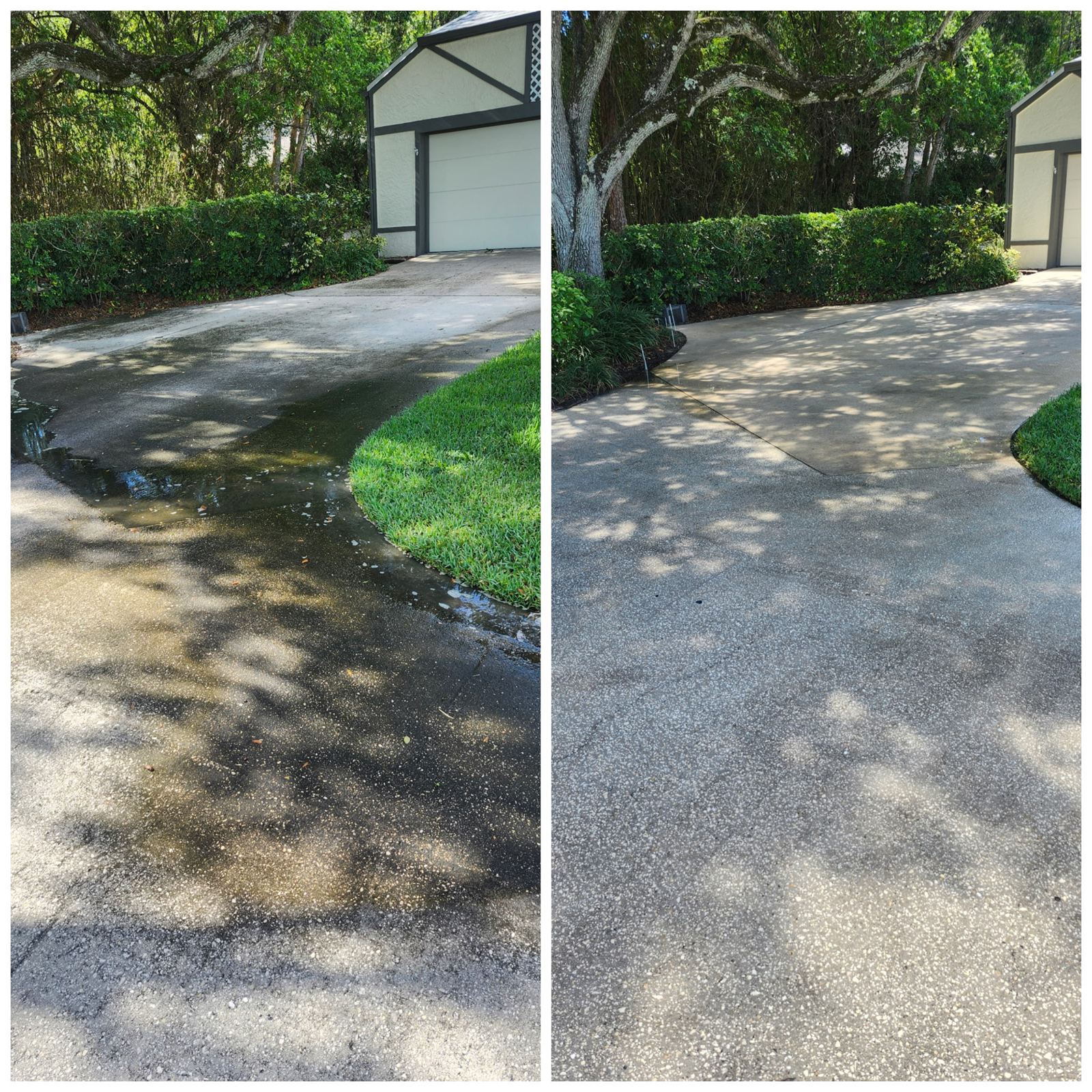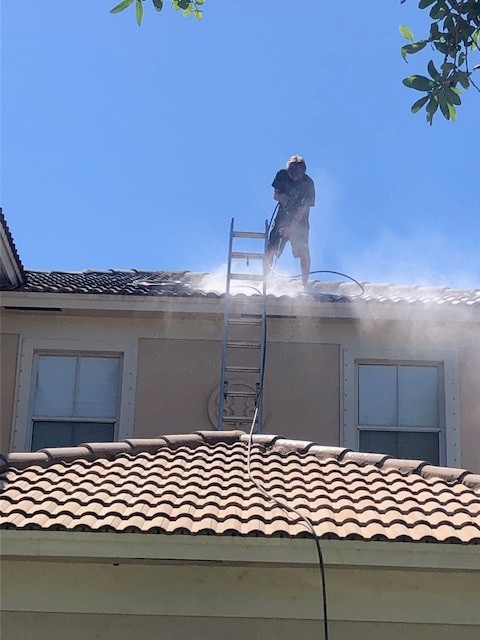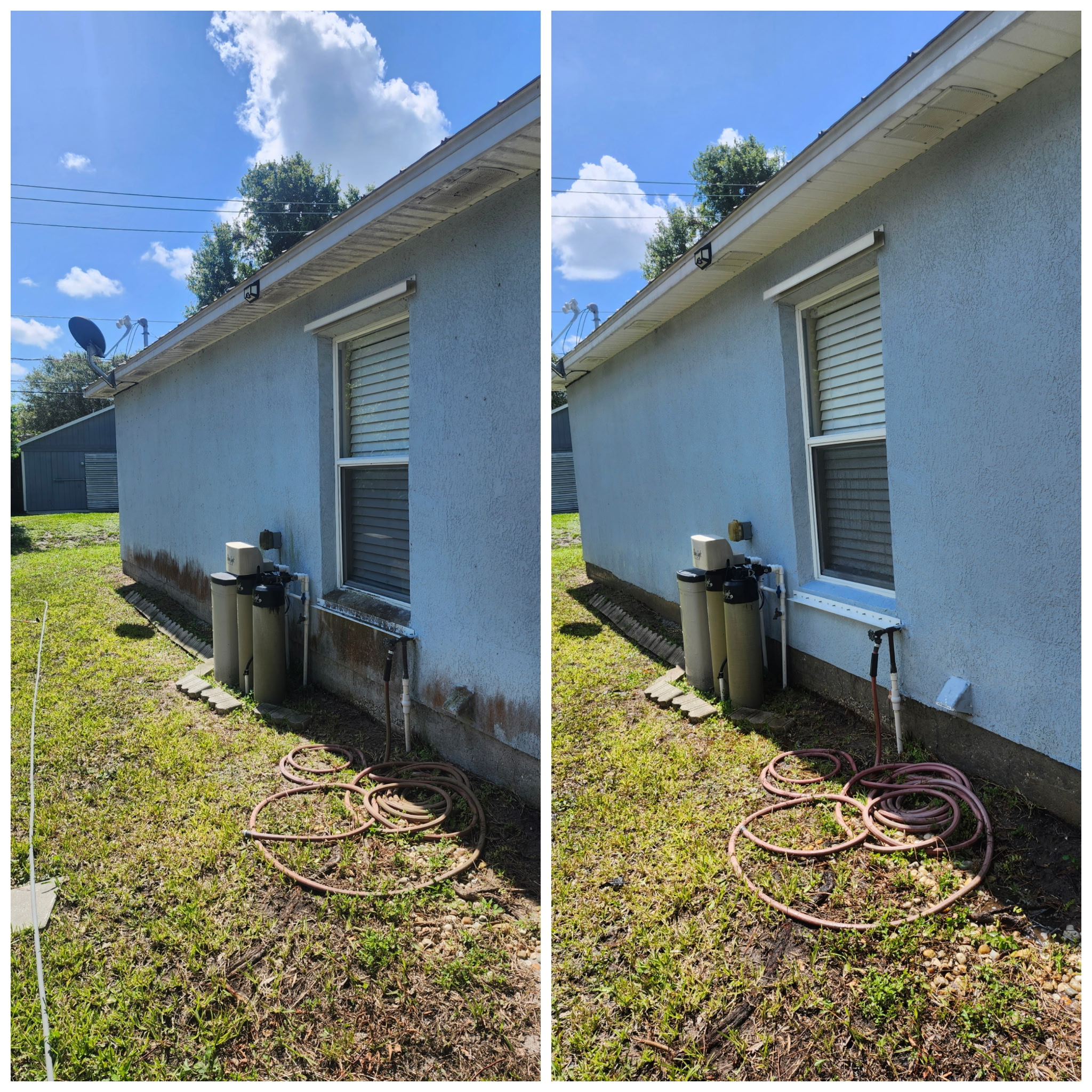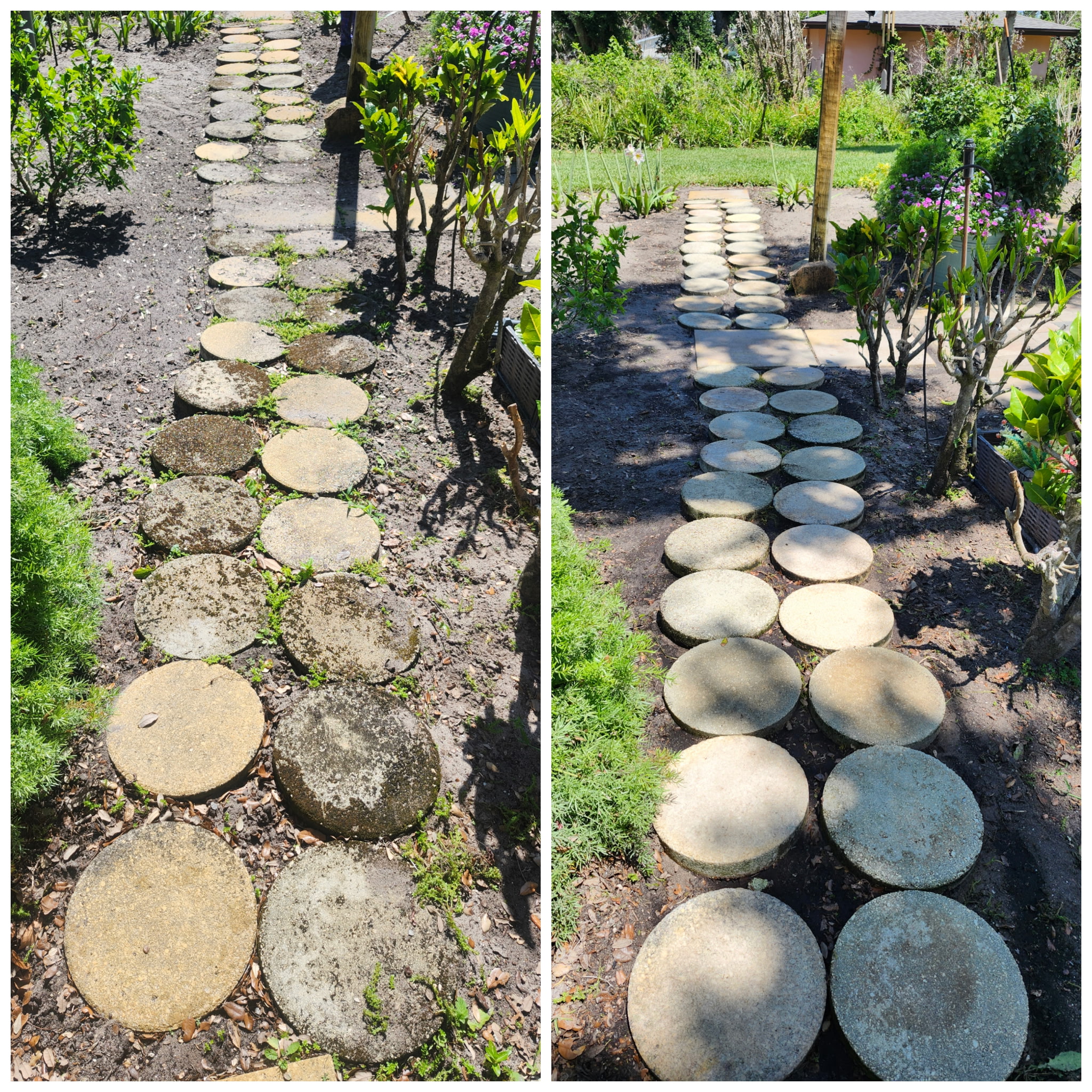
Paver sealing on the Treasure Coast typically costs $0.90 to $2.00 per square foot, or about $600 to $1,600 for an average driveway, including a proper cleaning and joint re-sanding beforehand. Whether it is worth it depends on your goals: sealing locks in joint sand, resists stains, deepens color, and slows weed and algae growth, which are real advantages in Florida's climate.
What is included in the price?
A quality sealing job is more than spraying on product. The cost reflects several steps:
- Cleaning the pavers first so you are not sealing dirt and algae in place.
- Re-sanding the joints with polymeric or fine sand to stabilize the pavers.
- Applying sealer, usually two coats, at the right temperature and dryness.
If a quote seems unusually cheap, it may skip cleaning or re-sanding, which are the steps that make sealing last. See our full paver cleaning and sealing process.
Wet-look vs. matte: which finish?
Sealers come in different sheens, and the look is a personal choice:
- Wet-look (high gloss) deepens and enriches the color like the pavers are permanently wet. It looks dramatic but shows wear and can be slippery when wet unless an anti-slip additive is used.
- Matte or natural protects without changing the appearance much, ideal if you like the current color and want a subtle, low-maintenance result.
How long does paver sealer last in Florida?
Under our intense UV, afternoon downpours, and salt air, expect a quality sealer to last 2 to 4 years before it needs a refresh. Coastal driveways in full sun are on the shorter end; shaded, covered areas last longer. Resealing is faster and cheaper than the first application because the heavy prep is already done.
Is sealing pavers worth it here?
For most Treasure Coast homeowners, yes, and here is why the Florida climate tips the scale:
- Weeds and ants constantly invade unsealed joints. Sealer plus stabilized sand keeps joints locked.
- Algae and mildew grow fast in our humidity; sealed pavers resist regrowth and clean up easier.
- Rust and oil stains penetrate raw pavers but bead on sealed ones, buying you time to clean spills.
- Color fade from UV is slowed by sealer, keeping pavers looking new.
Sealing is not required, but on a Florida driveway it turns pavers from a maintenance headache into a surface that shrugs off weeds, stains, and algae.
When should you seal?
New pavers should cure for 60 to 90 days first. Existing pavers should always be cleaned and fully dried before sealing, never sealed over algae or dirt. If you are unsure whether sealing fits your driveway, our team will assess the pavers and give an honest recommendation, including if we think you should skip it. You can also read our take on whether you should seal after cleaning.
What does re-sanding add, and why does it matter?
Before sealer goes down, the joints between pavers should be refilled with sand, and this step is easy to skip but important. Over years, rain and cleaning wash joint sand out, leaving pavers loose and inviting weeds and ants. Refilling with polymeric or fine joint sand locks the pavers together, and the sealer then binds that sand in place. Skipping re-sanding means sealing over empty joints, which lets pavers shift and shortens how long the whole job lasts. A complete quote always includes it.
How do you maintain sealed pavers?
Sealing reduces work but does not eliminate it. To get the full 2 to 4 years from a Florida seal job:
- Rinse periodically to keep organic debris and pollen from sitting on the surface.
- Wipe spills promptly, sealed pavers give you time before oil or rust penetrates.
- Watch high-traffic tire paths, where sealer wears first and may need a touch-up.
- Reseal before it fully fails, a refresh is cheaper than starting over.
Maintained this way, sealed pavers stay rich in color and easy to clean, which is exactly the payoff that makes sealing worthwhile in our climate.
Curious what sealing would cost for your driveway? Call MainSail Pressure Washing at (772) 559-2666 for a free estimate. We will measure your pavers, show you finish samples, and quote cleaning, re-sanding, and sealing with no pressure to add on what you do not need.